
Avatar Frontiers of Pandora: The Penance Quest - To Forgive or Confront?
The Penance quest in Avatar: Frontiers of Pandora explores avatar ethics and Na'vi culture, challenging players with a morally charged choice.
In the lush, vibrant world of Pandora, the conflict between the invasive human RDA and the indigenous Na'vi is a constant, simmering tension. One of the most profound and morally complex points of contention revolves around the avatars—genetically engineered Na'vi bodies that humans can psychically link to and inhabit. From the human perspective, these avatars are revolutionary tools, gateways to understanding and even falling in love with Pandora. For the Na'vi, however, they represent a deep violation, a grotesque mockery of their very essence and a direct threat to their sacred way of life. This fundamental clash of perspectives comes to a deeply personal head in the Penance quest, a pivotal moment where players, having uncovered the tragic truth about the Sarentu clan's fate, must decide the weight of the past on their future.
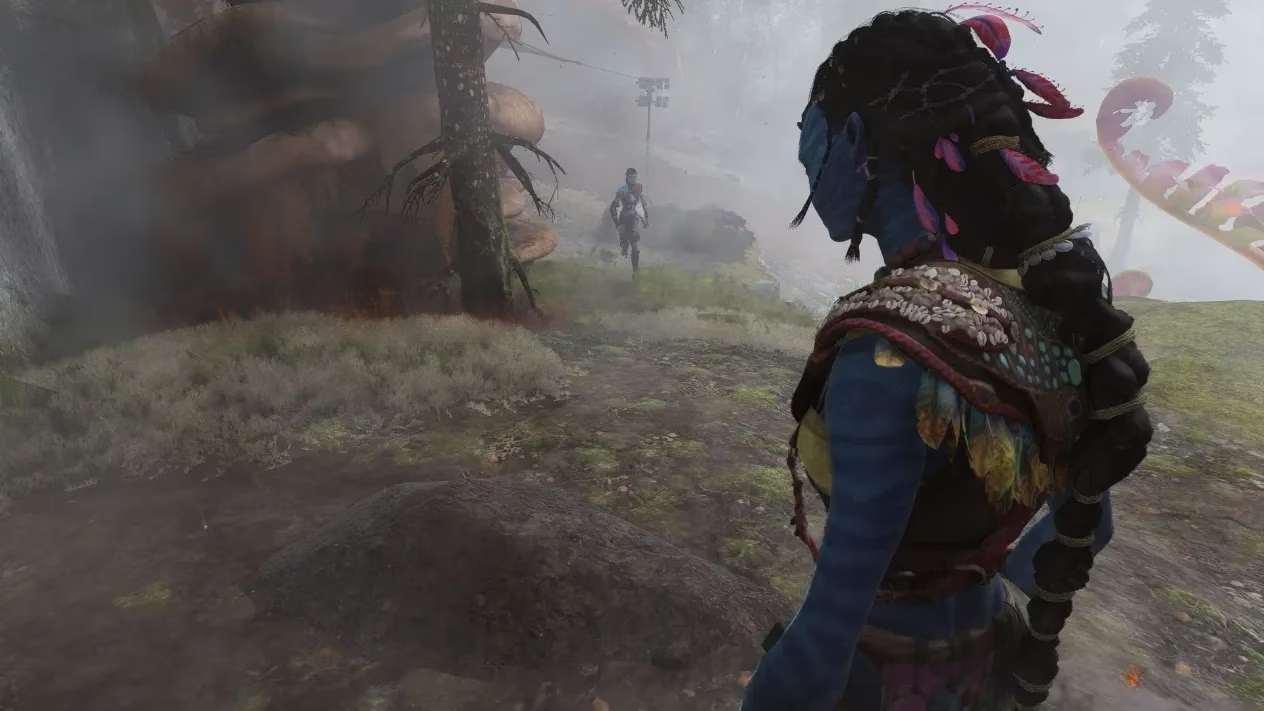
🔓 How To Unlock The Penance Quest
Unlocking this emotionally charged mission is a direct consequence of the main story's revelations. After you, the player, experience the harrowing memories of Alma's avatar through the neural network of Eywa and learn the full, devastating truth, the quest becomes available. Ri'nela, carrying the weight of this knowledge, takes the now-lifeless avatar body to give it a proper burial. Following this somber event, you can radio Alma to announce your return to the Resistance hideout. She will be waiting, knowing a difficult conversation is inevitable.
To find the burial site and begin the quest, you need to head to the main entrance of the Resistance hideout located in the Clouded Forest region. Here's a quick guide:
-
If you're facing the hideout entrance from outside: Look to your left. You'll spot Alma and Ri'nela near a freshly dug plot of earth.
-
If you're exiting the hideout from inside: They will be located on your right-hand side.
As you approach, you'll immediately walk into the tail end of a tense and heated argument. Alma, voiced with palpable grief, expresses that the avatar felt like her true self, a part of her she will profoundly miss. Ri'nela, firm in her Na'vi beliefs, counters with the harsh, unyielding truth: Alma will never be Na'vi. This raw exchange sets the stage for your own judgment.
⚖️ The Ultimate Choice: Confrontation vs. Acceptance
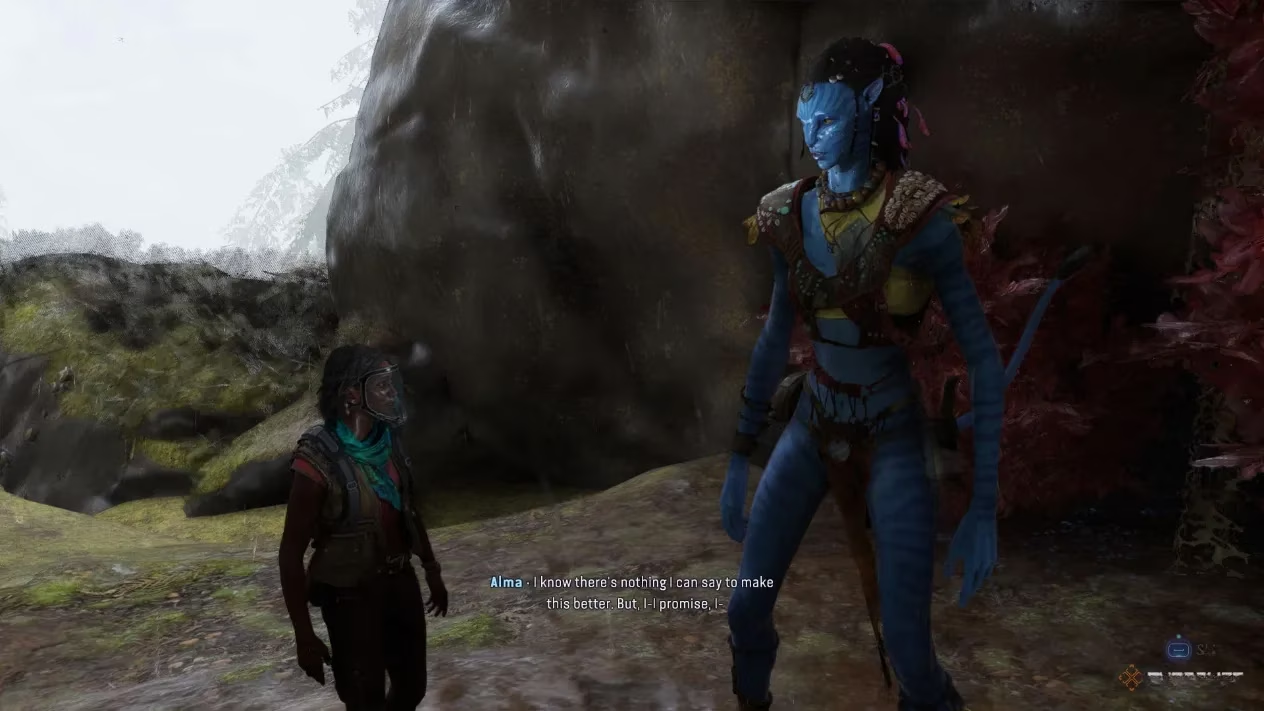
This is where the game hands you the reins to your character's emotional journey. Alma turns to you, seeking not just forgiveness, but understanding. You are presented with a binary yet deeply meaningful choice that reflects your character's core philosophy towards betrayal, loss, and moving forward.
Option 1: Confront the Past (Hold the Grudge)
Choosing this path means aligning your feelings with the initial reactions of characters like Ri'nela and Nor. You cling to the betrayal. The rationale here is powerful:
-
Alma was positioned as a mentor, guardian, and protector. The revelation of her involvement (or inaction) in the Sarentu tragedy shatters that foundational trust.
-
This choice asserts that some wounds are too deep to simply gloss over. The past, especially one stained with loss and deception, must not be forgotten or whitewashed.
-
It's a stance of righteous anger, a refusal to let the convenience of the present erase the crimes of the past. By confronting, you declare that accountability is necessary, even among allies.
Option 2: Accept the Past (Grant Forgiveness)
Choosing this path is an act of emotional liberation, though not of erasure. You choose to move forward without the anchor of a grudge.
-
This decision acknowledges the horrific past but consciously decides not to let it poison future cooperation and survival. As the saying goes, "The past is dead."
-
It understands that holding onto bitterness and blame won't alter what happened and may jeopardize the fragile unity needed to fight the RDA in 2026.
-
Forgiveness here is framed not as forgetting, but as freeing yourself from the burden of perpetual anger. It allows you and your allies to focus on building a new future for Pandora.
💭 Impact & Player Considerations
While the Penance quest doesn't drastically alter the main campaign's outcome, it significantly colors your relationships and role-playing experience. This choice is a litmus test for your character's personality. Are they defined by the scars of their history, or are they able to transcend them for a greater cause? In the ongoing struggle for Pandora's frontiers, this moment asks what you value more: unwavering principle or pragmatic unity? The beauty of Avatar: Frontiers of Pandora lies in offering these nuanced moral dilemmas without a clear "good" or "bad" answer, leaving players to sit with the emotional resonance of their decision long after the quest is complete.